
P.Nalyaka
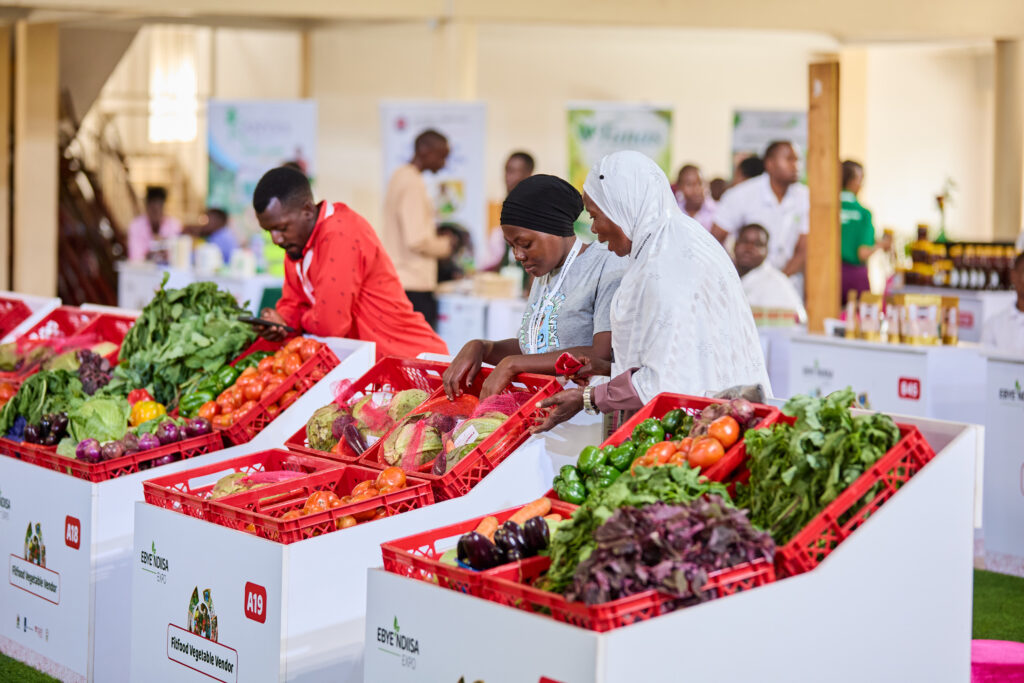
Processing food items such as indigenous vegetables into long life products can be a nightmare. Simply because the majority of the farmers into the business of growing indigenous vegetables for sale have limited cash inflow. They depend on what they earn per sale of a bundle of, for example, nakati.
In an earlier interview with Norah Mugerwa, a nakati, gyobyo farmer from Busukuma off Gayaza road, in the dry season, she sells a 50kg bundle of nakati at sh50,000. On a good morning she returns home with sh250000 after selling close to 5 bundles of nakati. But this isn’t the case during the rainy seasons.
“When the rains come, some vegetables like dodo or amaranth grow on their own, seeds already in the gardens sprout while those with kitchen gardens also plant their own vegetables. In the market, no one can offer even sh20,000 for a bundle, the next thing is to let them remain in the garden or sell at a giveaway price,” narrates Mugerwa.
When asked why she cannot preserve them, just like the people in Teso region, who dry greens and keep them as a powder, and also dry cassava in addition to sweet potatoes when plenty to be eaten another day, her response is she has no technologies or machinery and the skill on how she preserve nakati leaves.
She is one among the women operating the businesses as micro small and medium sized enterprises and the challenges they are faced with on a daily basis, in their quest to participate in trade. And yet globally, micro small and medium sized enterprises contribute to sustainable development goals through employment creation.
The challenges that they face include limited capital to invest in for example machinery, limited knowledge on the existing opportunities, and limited access to funds, because many lack items that could serve as collateral.
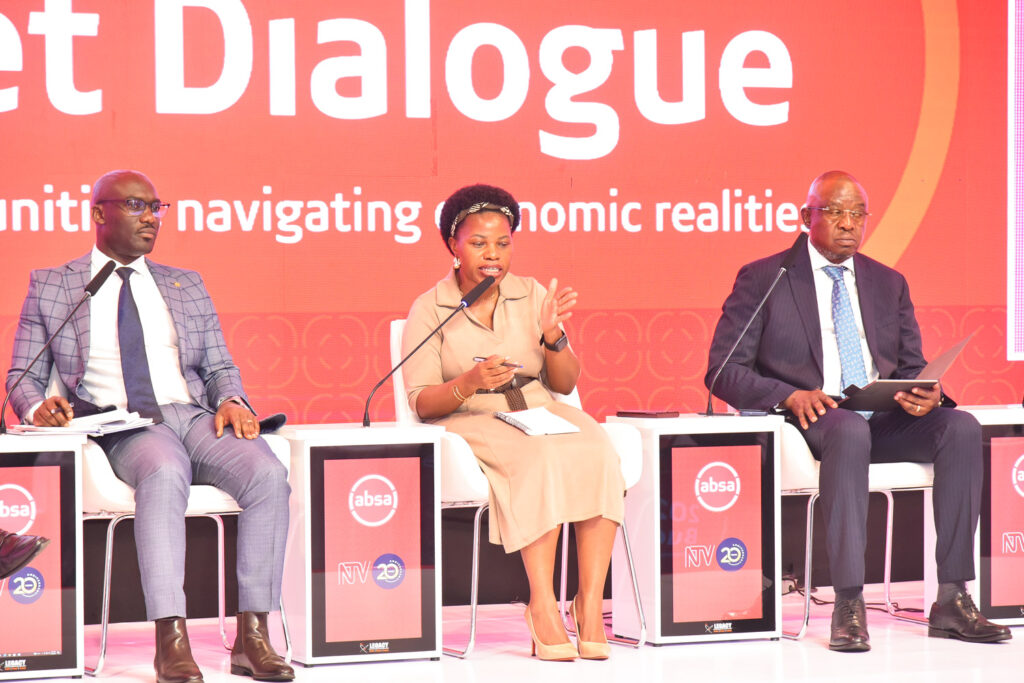
While celebrating the MSME day on the Friday the 26th at Motiv Innovation village, Damali Ssali the Country Director of the Global Alliance for Improved Nutrition (GAIN) Uganda appealed to them for support in terms of provision of value addition equipment.
Ssali explained that 30% vegetable harvests are lost before they get to the market. Besides, even markets lack cold storage facilities for perishables later on properly ventilated and specialized places for storing vegetables.
To help such businesses, Ssali through her organization GAIN Uganda decided to give out $7000 to some MSMES that responded to a call for application to benefit from a grant aimed at scaling up their vegetable handling so as to compete on the market.
Through a call for application, she said that 140 companies applied of which 6 companies emerged the best candidates for the grant, where some MSMEs walked away with $500,$1000,$2000 to improve their businesses.
She added the other businesses have since been taken on by the government through the Ministry of Trade Industry and Cooperatives for further support through the Business Development Services.
Officiating as chief guest, Minister of David Bahati said that MSMEs that comprise about 1M enterprises and contribute 75% of GDP and employ approximately 2.5M people,1/5th of these die in their first year of establishment while over 50% remain informal.
This is due to limitations in access to affordable credit, lack of record keeping and mindset.Bahati added that government is supporting MSMEs by reducing the cost of doing business, registration processes, certification process and market access among others.
In the meantimm he advised small businesses to take advantage of government initiatives such as the Parish Development Model,Emyooga among others.
He said that despite initiatives of both government and private sector, many SME in the Seed/Pre Seed stage need support and the shift to support the growth of the enterprises to make a real impact is necessary. Adding that the government through the Presidential Initiatives has established the Skilling hubs for building talents, business incubators, Industrial parks and provided financing through EMYOOGA, PDM and other schemes to support the youth including women and people with disabilities.
Ends