
By P.Nalyaka
Although the livestock sector grew by 8.8 % in the financial year 2024/25, contributing 4.5% to the country’s Gross Domestic Product (GDP) and earning Uganda sh10078 billion from sh8,522 billion in the same financial year from the export of animal products, diseases like Foot and Mouth Disease (FDM) is threatening this success.
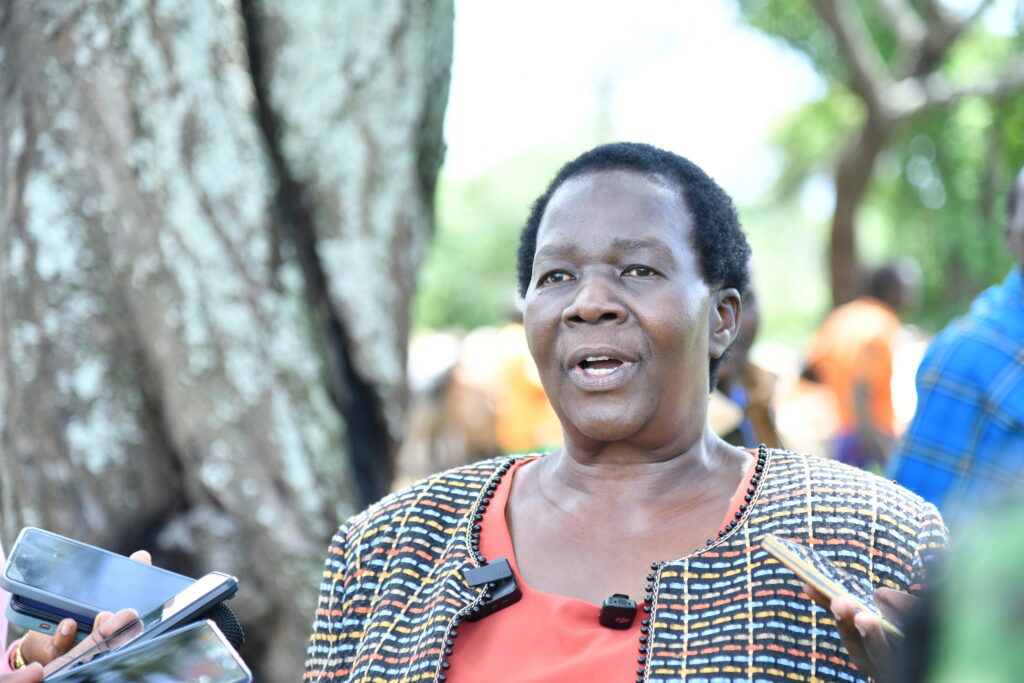
According to the Dr. Anna Rose Okurut Ademun Commissioner Animal Production and Health in the Ministry of Agriculture Animal Industry and Fisheries, the disease affects cloven-hoofed animals like cattle, goats, sheep and pigs. It can also affect some wild animals such as buffaloes and antelopes.
When FMD enters a farm or herd, the effects are quickly felt, she said. Adding that “Affected animals develop painful wounds in the mouth, causing them to drool saliva and fail to feed properly. Sick animals develop wounds between and around the hooves, leading to limping. In milking animals, wounds appear on the teats, which affects milk production since the teats could be painful for the cow,” Ademun explained.
She adds that because sick animals cannot feed well, they lose weight, become weak, produce less milk, develop a rough coat, and lose market value. Young animals, especially calves, usually die.
Ademun, also the ministry’s senior veterinary doctor, explained that FMD affects cattle through close contact between animals, movement of infected animals, contaminated equipment, vehicles, people, markets, grazing areas and watering points.
To a farmer, Ademun said FMD is not only an animal health problem. It is an income problem. Through quarantine restrictions whenever FMD is reported, there is limited movement of livestock, closure of livestock markets, animal slaughter is restricted including the sale of meat, milk, hides, skins and other animal products.
“A farmer who depends on daily milk sales or livestock trade can suddenly lose income. This affects his livelihood and provision of basic needs at home like school fees, medical care, household needs, loan repayments and other family responsibilities,” Ademun explained.
Impact of FMD on External markets
She explained further that the disease is a barrier to livestock trade. Countries that have controlled or eliminated FMD are very cautious about importing animals and animal products from countries where the disease is still present. This limits Uganda’s ability to access better-paying regional and international markets amidst growing volumes of livestock products.
Information from the Ministry of Agriculture Animal Industry and Fisheries (MAAIF) shows that milk production increased from 2.7 billion litres in 2020 to 5.4 billion litres in 2024.
Milk and milk product exports increased from $264.5 million in 2023 to $285.4 million in 2024. Beef production increased to 276,892 metric tons in 2024, while beef export earnings rose from $ 0.56 million in the financial year 2023/24 to Sh1.30 million in the financial year 2024/25.
“These figures are not just statistics. They represent farmers supplying milk to collection centers, young people working in transport and processing, traders buying animals, processors adding value and so many industry players. For Uganda to benefit more from livestock exports, FMD must be controlled through vaccination, which is in line with international animal health standards,” Ademun said.
Have farmers embraced vaccination?
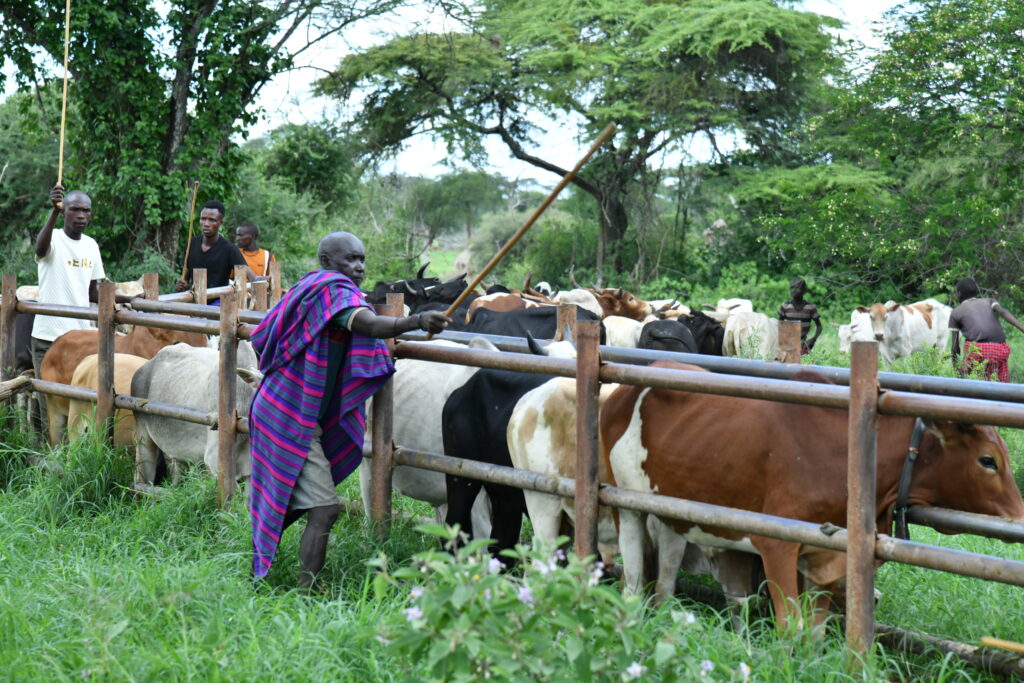
Much as the majority of livestock farmers are hesitant to embrace vaccination due to cost of vaccination, experts believe it is the only solution that will save Uganda’s 14.66 million cattle, 17.48 million goats, 4.38 million sheep and 7.11 million pigs from contracting diseases such as FMD.
Benefits of vaccination include continued milk production, beef production, and preserves breeding stock. For goat and sheep farmers, vaccination protects animals that are often sold for household income, ceremonies, meat and breeding.
For pig farmers, vaccination protects a fast-growing enterprise that supports many households, especially smallholder farmers and youth.
How is MAAIF promoting vaccination among farmers?
Through the governments’ FMD Cost Recovery Scheme, the government is promoting vaccination on a cost sharing basis. Under this arrangement, a farmer contributes to the cost of the vaccine, by parting with sh8000 per dose for each cow or pig, sh4000 per dose for each goat or sheep; while government continues to meet other costs such as importation logistics, cold chain storage, vaccine distribution, supervision, surveillance, vaccination equipment, and veterinary support.
The exercise that runs from June this month till August 2026 will be repeated after six months, which will be between January to February 2027.
For the smooth exercise, District Veterinary Officers, local governments, farmer leaders, banking partners and veterinary field teams will guide farmers on registration, payment procedures, vaccination schedules and certification.
Although some farmers believe that the cost of vaccination is high, Ademun said payment isn’t a punishment but a joint effort to protect farmer’s livestock from which they earn an income and also derive their livelihood from.
“A reliable vaccination system benefits everyone in the livestock value chain, including farmers, traders, milk processors, meat processors, transporters, exporters and consumers,” she emphasized.
How can farmers participate?
To participate in the exercise, farmers should register their animals with the veterinary authorities in their districts to pave way for the vaccination exercise.
After vaccination, farmers should minimize movement of animals especially as these could contract FMD. In case of a suspected case, the veterinary officer should be notified immediately.
Farmers should also avoid buying animals from unknown sources and during outbreaks they should follow quarantine guidelines when they are issued.